This is a topic I have been thinking about for quite some time. It is difficult to talk about, and even to think about, but I feel it needs to be discussed.
Hormone blockers affect everyone differently, but most who take them experience at least some side effects. For me, the worst side effect is not the joint and bone pain or the other physical problems. It is how the brain is affected.
Chemotherapy affected my brain in ways that are hard to explain. The loss of function was almost constant: I forgot words and trains of thought, couldn’t remember things I needed or wanted to do, and felt like I was in a fog most of the time. The brain fog was always there but ebbed and flowed with the timing of the infusions. I always knew when it would get worse and that it would soon get better.
The effects from the hormone blocker are different. Episodes come and go without warning. They usually don’t last long but are frightening when they happen. Because the brain fog and forgetfulness have worsened over time rather than cycling predictably, it feels alarming. My thinking becomes unreliable, and even though I tell myself dementia does not show up that quickly, that fear lingers.
Lack of sleep makes everything worse. Anastrozole disrupts sleep rhythms, causing insomnia and other problems. Even after a full night’s sleep I still feel tired. I’m almost always fatigued, and that deep tiredness magnifies the brain issues.
Sleep loss also leads to weight gain, which worsens sleep problems as well as joint pain. It’s a vicious cycle. The hormone blocker tends to add fat around the belly, increasing risks for heart disease and diabetes. Worry about relatively rapid weight gain and the long-term risks of heart disease and diabetes adds to my already troubled mind. Exercise helps the body as well as the mind, but the joint and muscle pain make it challenging. All these issues compound and mess with my mental wellbeing.
Some days I feel almost normal, then suddenly my brain shuts down and I am incapable of thinking. It makes me frustrated, edgy, and sometimes weepy. I’m a hugger, but in these moods I’m afraid to hug; I stay away from people because I might start crying or say something I don’t mean.
I feel sad for those who don’t have someone to rely on—someone kind and helpful who waits patiently while the brain fixes itself, or who knows you well enough to finish your sentence and correct your mistakes. My hope is that everyone who goes through this finds someone like that if they don’t already have one.
From Craig's perspective:
She asked me to write what I see and experience with her as this segment of her treatment progresses.
I witness her frustration. Extra weight dogs her like never before. She understands the medicine disrupts her metabolism and deliberately puts her body out of balance. She wrestles and tries to restore how it was, but beneath the surface realizes it will never be as it was. She copes. Some days are worse than others. She works to stay positive; yet it fatigues her, and some days are dark when it all piles up. This tension ebbs, then flows back out, and she’s back on track.
I see fear in her eyes when her mind seems to slip a gear or hesitate to engage a thought, memory, or task. During infusion, the mind fog was constant; now it is episodic. It shows up uncalled, then goes away. What makes this more acute is that Suzanne’s mind is otherwise clear, so when this happens, she is fully aware. It scares her. It happens without warning, and although it clears within a minute, it stirs concern—questions about whether it is temporary or permanent. Suzanne has always been quick-minded. My brother called her “quiet smart.” She feels these faculties slipping, even momentarily—it’s frightening.
Fortunately, she has a friend who has gone through cancer and hormone-blocking (HB) treatment, who tells her that after the five-year course ends, balance does come back. The joints improve, the mind stays engaged, and weight management becomes easier. Five years is a long time. Suzanne is in year two.
The plus side is that she is still here—with me and with her family. She is here in Laos, giving needed service to families. She loves them. I never see her happier, outside of being with her children, than when she is surrounded by the little children at church or when we visit remote schools.
Suzanne understands what is on both sides of this transaction. She decides. She will get through it—but it is a long road.

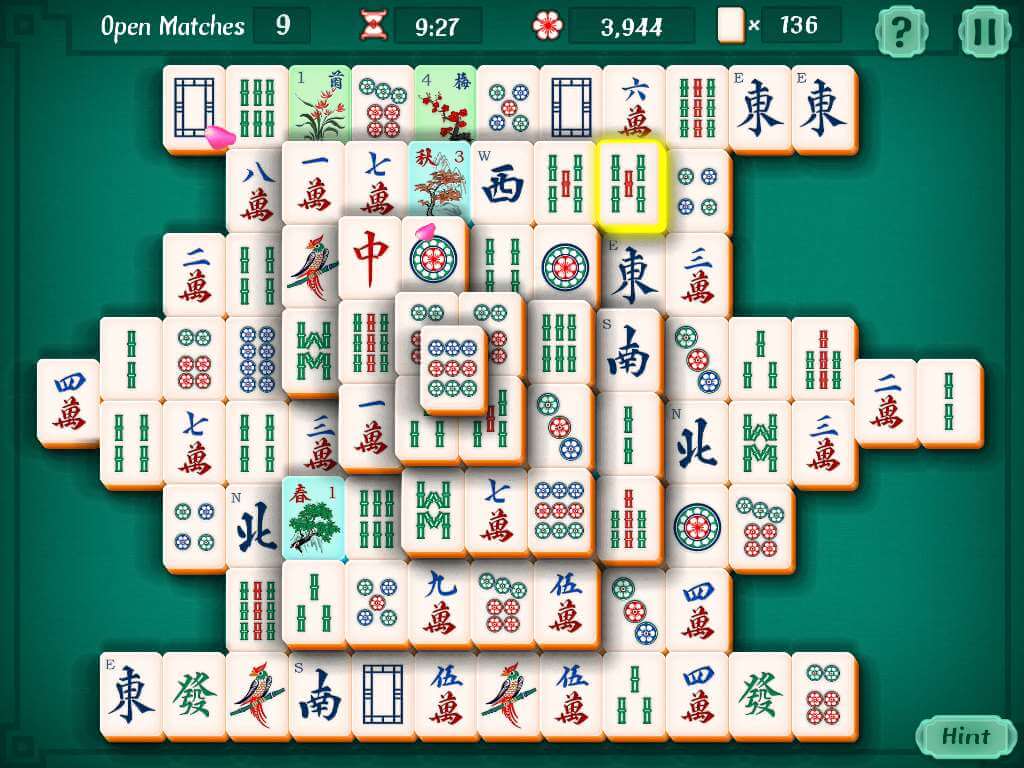
The above was written the first week of April. It is now the second week of May, and I have found something that is helping my mental acuity tremendously - Mahjong. I have spent many hours on Sudoku, a variety of word games, and other games that are supposed to enhance your brain, and they have helped. After starting playing Mahjong on my phone, however, there is a marked difference. If you need help with your acuity it is well worth the time. My mind still has issues, but is almost back to where it was pre-cancer. The only drawback - it's addictive 😬 I hope this will be helpful to someone who needs to work on their acuity.
This is Julie. I've been slow in commenting, but I just re-read this post and feel inspired and apprehensive at the same time; I know God and ministering angels surround you, yet your cancer journey requires so much effort to stay in faith, hope, and positivity. I'm sending to you what little I have to offer along those lines---along with a great big hug!!!
ReplyDelete